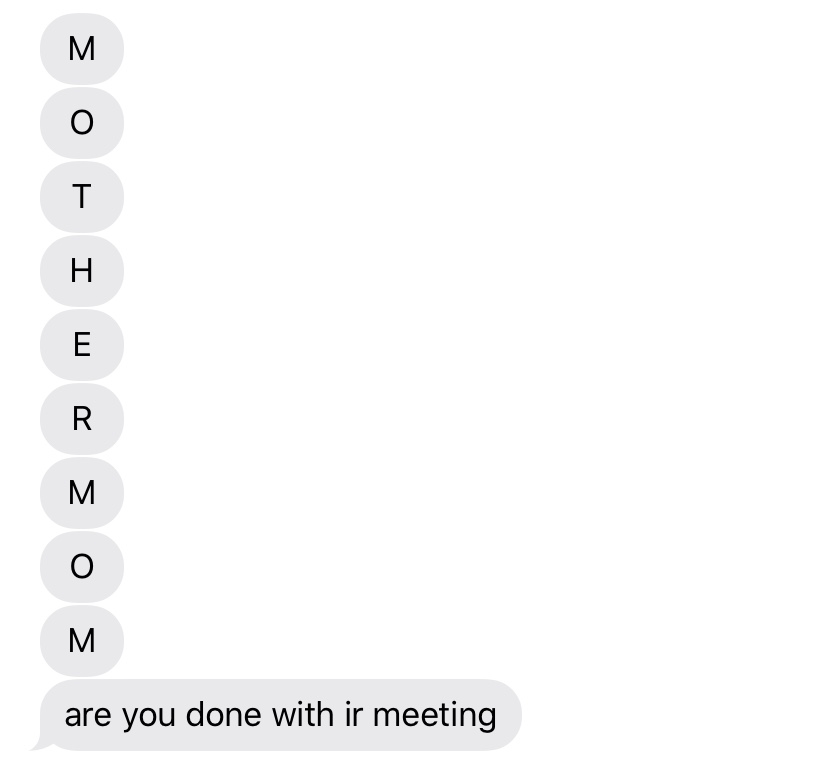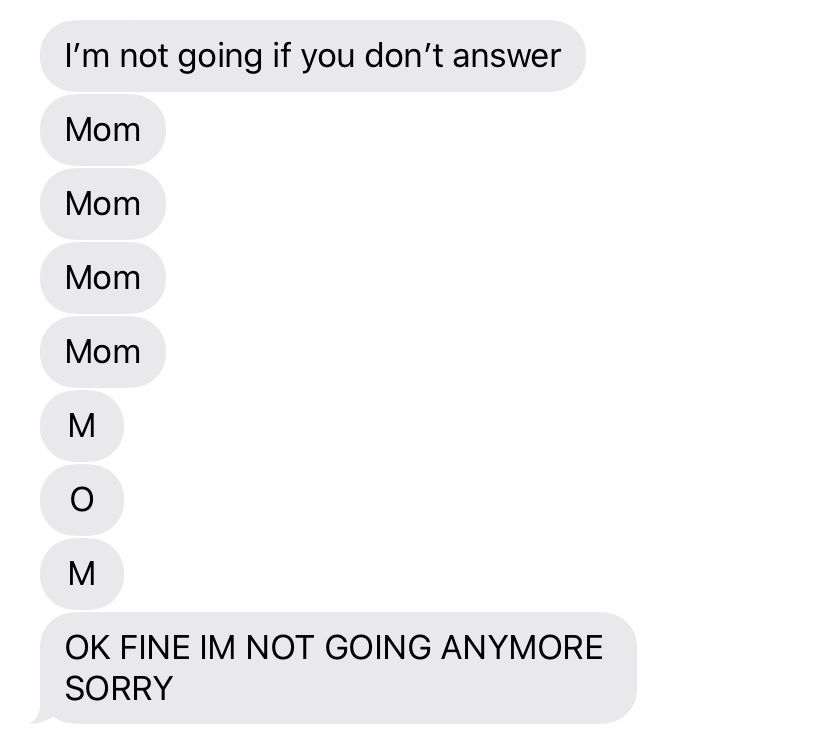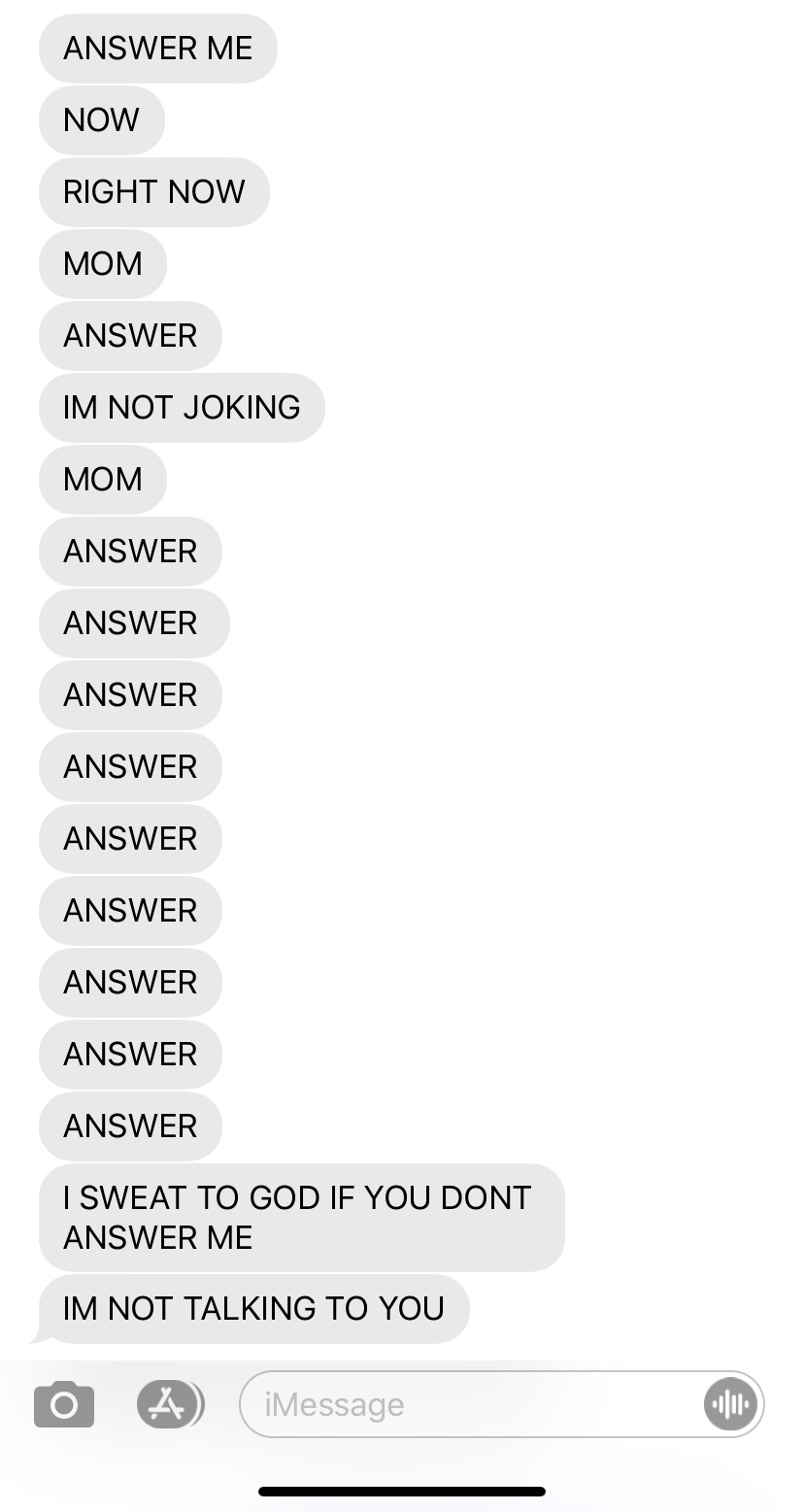
The prophet Micah puts words in the mouth of God that I can easily imagine God saying to humankind today:
“O my people, what have I done to you? In what have I wearied you? Answer me!”
It sounds like something God might actually be saying to us about so many things going on in the world today, especially the way we treat each other. Looking around at the chaotic, cruel state of things in his own day, Micah imagines God’s incredulity at seeing a similar dynamic – people whose ancestors were rescued from slavery in Egypt, who pledged themselves to a covenant with God and handed that covenant down thru generations – a covenant that required them to care for the vulnerable – how could these people turn around and violate that relationship so brazenly?
They seem to have forgotten the main lesson that God keeps teaching us over and over and over again: How we treat each other matters to God. The covenant, the sacrifices, the laws – they were all about two things and only two things: love of God and love for each other.
“O my people, what have I done to you?” What could cause you to forget these two simple things. The laws are many, but they all point in the same direction. Love God and each other.
They forgot. And we forget. Over and over and over again.
In Micah’s imagination, when the people are confronted with their betrayal and reminded of all the blessings God has bestowed on them their first instinct is to make an extravagant display of religious fervor. They want to make a burnt offering…of thousands of rams and rivers of oil.
But burnt offerings – or really any offerings – are not a fine you pay for breaking the law. The purpose of a burnt offering was not to placate an angry God or show how religious you were. Burnt offerings – like other kinds of offerings made at the Temple in Jerusalem – were rituals that helped the people who participated in them enact gratitude for all God had given them and had done for them. By offering up livestock from your own farm and olive oil from your own groves, you engaged in a ritual that acted out the reality that what you produced on the land was a gift from God. And you were using a small portion of that bounty to acknowledge God’s generosity. These offerings were burned whole and the smoke from them was a symbol of the people’s thanksgiving rising up to the God who had blessed them.
In addition to that, the other offerings people made – other animal, grain, wine and oil sacrifices – were not burned up. A small portion was burned, but the rest was shared with the Temple priests, the poor, immigrants, and people visiting the temple during festivals.
What you and your family and your whole community worked on all year long – the raising of crops and livestock – was tied in to the daily and seasonal worship of God. And that worship, the making of these sacrifices was a physical way of remembering that relationship with God was bound up with two things:
- Gratitude to God
AND - Our relationships with other human beings
So when the people in Micah’s courtroom scenario are confronted with their cruelty to the poor, to immigrants, and to the vulnerable, and when their first response was to make an extravagant burnt offering, God’s response was, basically, “You still don’t get it.”
It wasn’t the burnt offering part that they were messing up. They were very good at going through the motions. What they got wrong was the whole covenant that the burnt offering was tied to. They had forgotten the link between the ritual and the relationships it was meant to uphold.
And that is why, when the people said they would offer up thousands of rams, God said, “No.”
What God wants, what Micah reminds them, is for them to reconnect the ritual of offering to the relationships they had neglected. What does the Lord require of you? To do justice, and to love kindness, and to walk humbly with your God.
I wonder if today we might reflect on MIcah’s words to think about how we connect our own rituals with the way we do – or do not – do justice, love kindness, and walk humbly with our God.
Christians meet at altars weekly (except when there is an ice storm) where we perform a similar ritual to the burnt offerings at the ancient Temple. We offer a portion of our bounty – bread, wine, and the fruit of our labors – at this altar. Our Eucharistic Prayer gives thanksgiving to God for all that God has given us and done for us. We share the bread and wine with each other around the table. In our prayers we acknowledge that this ritual is a reminder to us of our obligations to love God and to love each other.
Our weekly ritual is a reminder that how we treat each other matters to God. Like all those who came before us, we need this reminder. We need recommitment to (in the words of our baptismal vows) respecting the dignity of every human being.
It is likely that God will again say – and might even be saying today, “O my people, what have I done to you?” How can people so loved and so blessed treat each other they way we do? When this happens, when we discern a disconnect between our rituals and our daily lives, between our gratitude to God and the way we treat our neighbors…go again to the altar and pay attention to the words and actions we enact there. They are a rehearsal for doing justice, loving kindness, and walking humbly with our God.
(Based on a sermon preached at St. Elizabeth’s Episcopal Church, Buda, Texas on 2.1.2026)